
Understanding Session Labels Across the Weekend
When watching a Grand Prix weekend for the first time, hearing commentators talk about lap records can easily cause confusion. A driver might set the fastest time of the entire weekend during Saturday qualifying, yet official track guides continue to display a different, slower benchmark. In Formula 1 terminology, an official circuit lap record refers strictly to the fastest time set during a Sunday Grand Prix, while Saturday times establish qualifying benchmarks and pole positions.
Knowing how to interpret F1 lap records by circuit and session helps make sense of the timing screens from practice through the checkered flag. The distinction exists because cars operate under entirely different sporting constraints across sessions rather than identical running parameters. Qualifying permits low fuel loads and full-power engine deployment for a single push lap, whereas Grand Prix laps are shaped by heavy starting fuel, tire management, traffic, and strategic pacing.
Real-World Gaps Between Qualifying and Race Trim
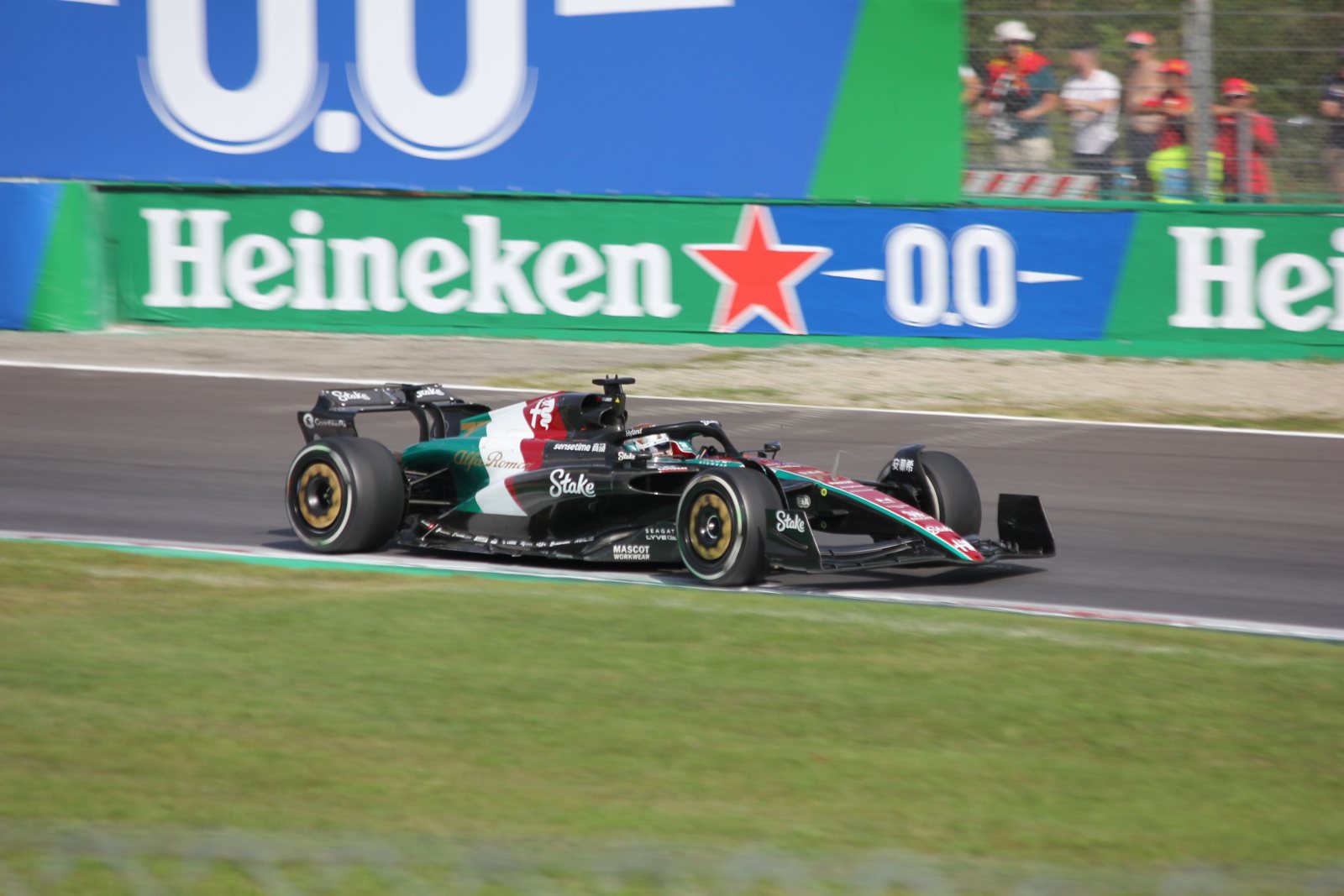
Data from the 2024 season illustrates how stark the difference between sessions can be at contrasting venues. At Monza, Lando Norris took pole position in qualifying with a 1:19.327 lap averaging 262.9 km/h, but the fastest race lap recorded that Sunday was an 81.432-second lap (1:21.432) averaging 256.1 km/h. At the much tighter 3.337 km Monaco street layout, Charles Leclerc secured pole with a 1:10.270, while Lewis Hamilton posted the fastest race lap at 1:14.165, a gap of nearly four seconds.
These figures represent calculated average speeds based on published track lengths rather than controlled head-to-head comparisons or direct measures of driver ability. When following along over a race weekend, always check whether a broadcast graphic refers to a qualifying lap, a practice benchmark, or an official Grand Prix race record.
Official reference: F1 Italian GP circuit information.

Post a Comment