
Understanding Experience Across Eras
When watching a Grand Prix weekend for the first time, you will notice commentary often focusing on veteran racecraft alongside youthful speed. Understanding how driver age relates to title success helps put race day battles into context. Formula 1 history shows that peak championship achievements were not always dominated by early-career drivers. In official record rankings of the Top 5 oldest F1 world champions, title success came well into drivers' late thirties and forties, counting each competitor once at the time of their latest title triumph.
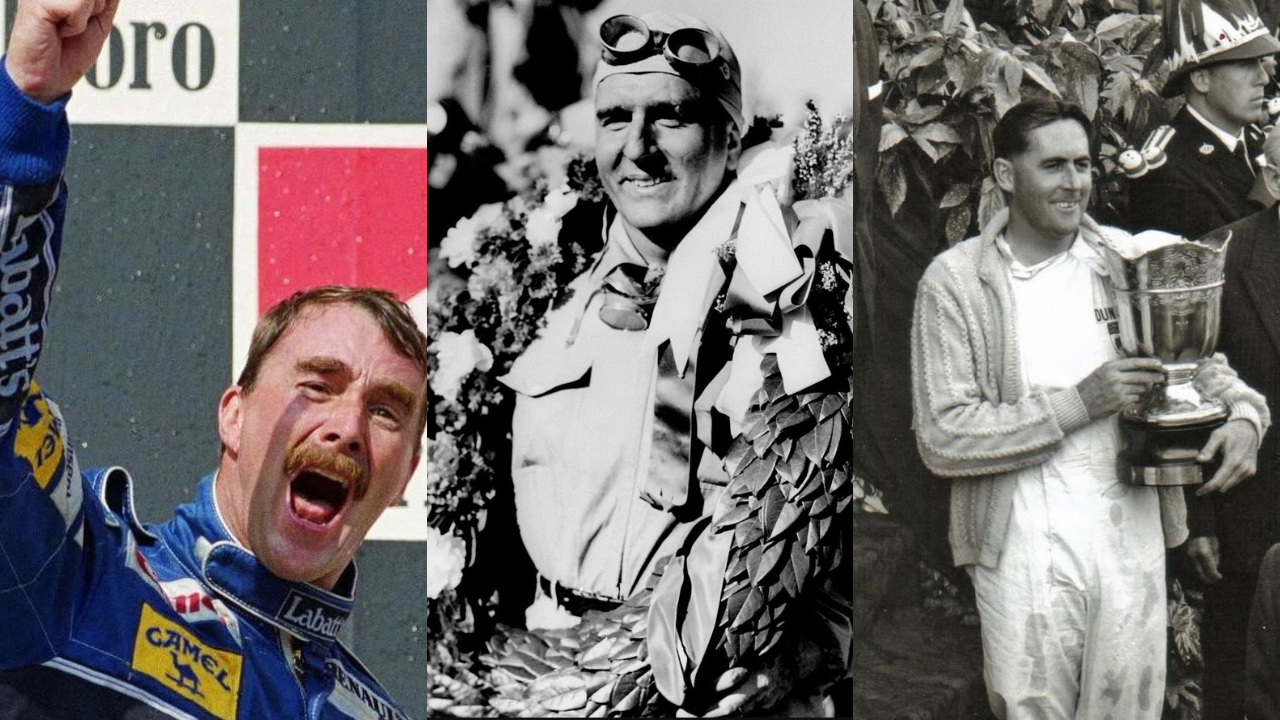
Leading this group is Juan Manuel Fangio, who secured his final championship in 1957 at 46 years and 41 days, with all five of his world titles coming after he turned 40. Giuseppe Farina became the sport's inaugural champion in 1950 driving for Alfa Romeo at 43 years and 308 days, while Jack Brabham earned his third title in 1966 at 40 years and 155 days in a car bearing his own name. Graham Hill took his second championship in 1968 with Lotus at 39 years and 262 days, and Nigel Mansell won his sole title in 1992 with Williams at 39 years and 8 days, marking the most recent championship season represented among the five oldest champions.
What to Watch for on Track
For a new viewer tracking a Grand Prix weekend, these milestones highlight how seasoned drivers historically converted long campaigns into world championships. While older champions were more common in earlier eras, tracking how veterans manage race pace and tire wear over a full Sunday distance remains one of the clearest ways to follow the action.
Official reference: Formula 1’s historical ranking.

Post a Comment