
Officiating Beyond the Trackside Tower
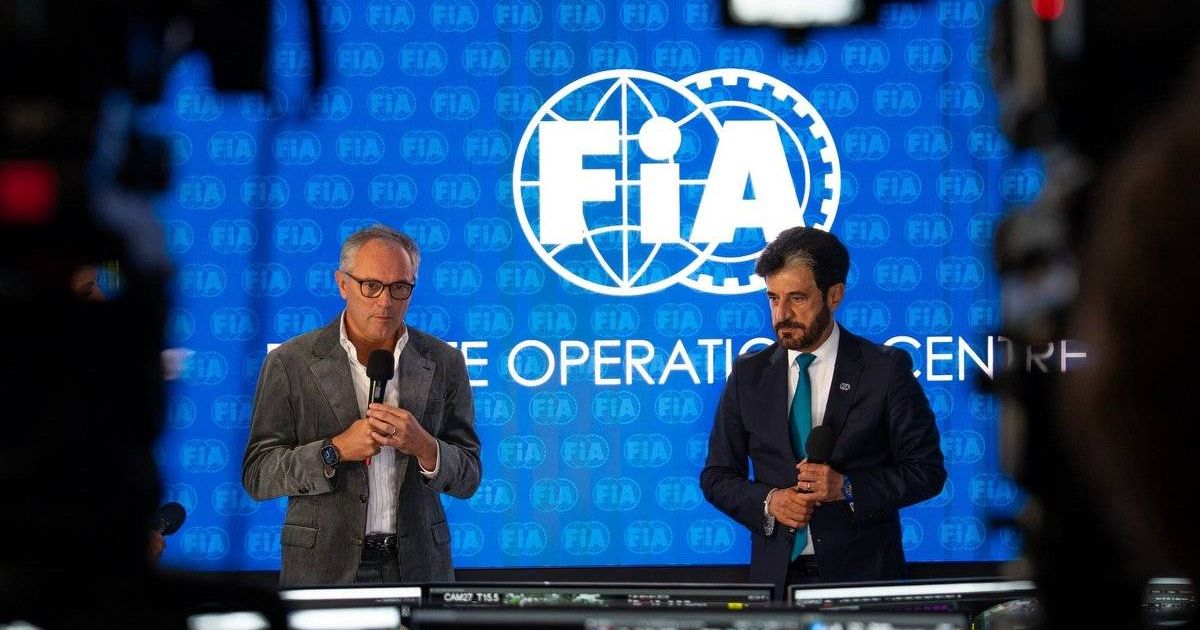
When watching a Grand Prix for the first time, graphics frequently appear on screen announcing that an incident is noted or under investigation by the stewards. While trackside race control directs on-track sessions, a dedicated remote team provides continuous technical and analytical support away from the circuit. The FIA opens new Biggin Hill Remote Operations Centre facilities alongside Formula 1 to expand this off-site review capability for F1, F2, and F3 sessions, housing up to 16 remote staff members during race weekends.
Sorting Through Evidence in Real Time
Modern race management involves reviewing massive amounts of real-time data rather than relying on a single camera angle. Remote analysts monitor over 140 live audio and video feeds, car-positioning telemetry, and team radio transmissions to spot potential rule breaches. Automated tools assist with this workload, using computer vision, shape recognition, and radio-tagging to flag potential track limits violations, jump starts, incorrect grid placements, or pit lane infractions.
Advising Versus Deciding
Although automated systems and remote analysts flag and package evidence, they do not hand down sporting penalties. The remote centre serves as an information pipeline to race control and the panel of stewards, who retain final authority over all sporting decisions. The FIA views this operational support as a way to pursue greater officiating consistency, while also using session recordings after the event to train future race directors and stewards.
Official reference: FIA's announcement.

Post a Comment