
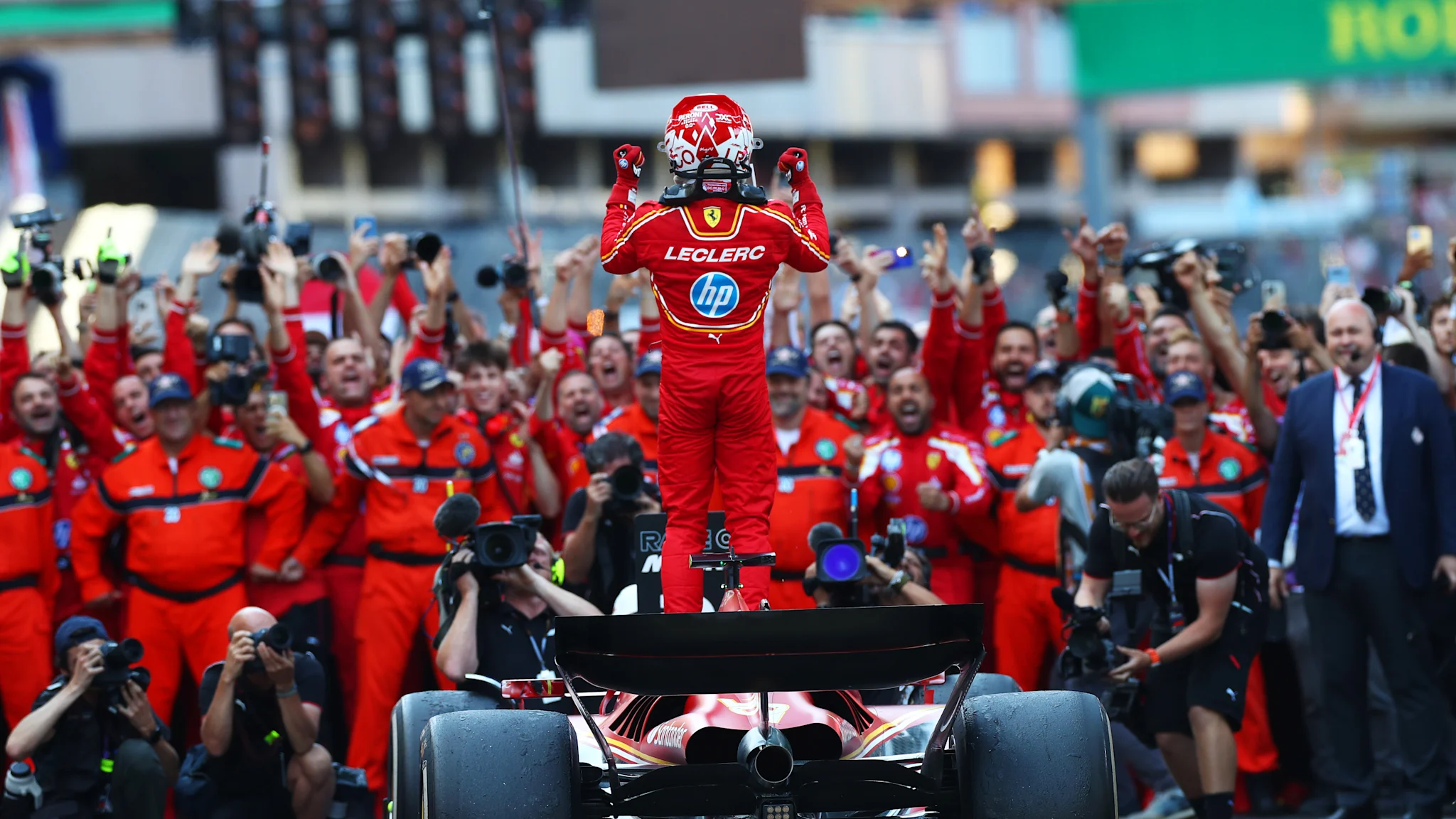
Why Opening Practice Times Do Not Tell the Whole Story
Opening practice gives newcomers their first look at cars on circuit, but the headline order rarely reflects outright competitive pace. During Friday running for the 2026 event at Circuit of the Americas, timing sheets showed the United States GP: Leclerc atop the order with a 1:36.052, narrowly ahead of Max Verstappen and Lando Norris. For a first-time viewer, seeing Ferrari, Red Bull, and McLaren grouped within a quarter of a second might look like a definitive qualifying preview, but initial practice sessions are designed primarily for testing rather than pure speed.
Teams arrive with vastly different run plans, meaning cars on track at the same time are rarely running identical programs. While Ferrari and McLaren began the session evaluating baseline setups on medium compound tyres, Mercedes and Red Bull opened their run plans on hard tyres. Differences in tyre compounds, varied fuel loads, and ongoing component assessments mean early timing intervals cannot be interpreted as direct, like-for-like pace comparisons.
Understanding Track Limits and Setup Work
Another key variable for new viewers to track is lap time deletion. Verstappen actually produced a quicker lap time during the hour, but race control erased the effort because his car exceeded track limits at Turn 19. A driver appearing second on the classification sheet may have already demonstrated pace capable of leading the session once boundary discipline is tidied up for qualifying.
Teams also use this initial hour to validate experimental parts and resolve handling quirks rather than pursuing low-fuel qualifying simulations. Ferrari spent the session checking redesigned floor, sidepod, and diffuser components, while Audi and Cadillac ran aerodynamic sensor rakes to map airflow. Mechanical adjustments take priority over lap times, with drivers often reporting steering resistance or abrupt balance shifts back to engineers to calibrate the car for the competitive sessions ahead.
Official reference: Formula1.com’s account.

Post a Comment