
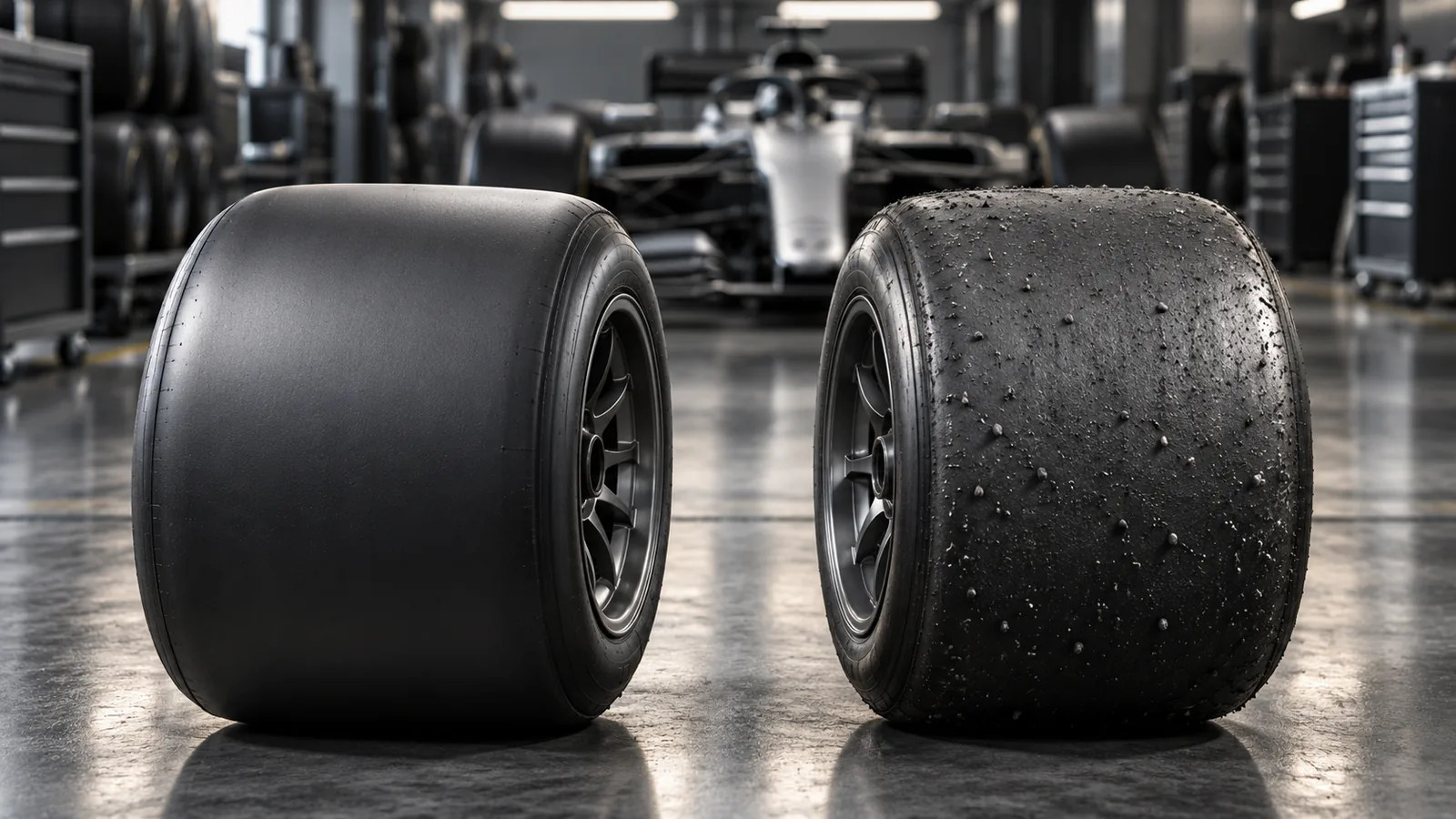
Why the lap counter on a tyre graphic does not always say zero
When watching a Formula 1 broadcast during a race, viewers often expect every pit visit to equip the car with factory-fresh rubber. However, the graphic tracking a tyre's life measures the history of that specific physical set rather than the start of a fresh pit visit. This distinction explains why F1 tyre age does not reset after a pit stop when a crew installs a set previously scrubbed or run during qualifying or practice sessions.
A driver's stint counter will reset to reflect the laps completed on the current run, but the overall age tally carries over the laps already logged on that set of tyres. Furthermore, broadcast data providers use differing counting conventions, meaning figures shown on television graphics can depend on how out-laps or short installation runs were tracked.
Compounds, sets, and strategic pace
It is also common to see a car switch between sets of the same tyre specification, such as moving from one set of soft compound tyres to another soft set with prior running. Changing physical sets does not constitute a compound change under sporting rules, and an older set is not automatically slower on the very next tour.
Performance on track depends on varying factors, including fuel load burn-off, operating temperatures, circuit evolution, and driver management. While wear and surface conditions like graining influence handling, tyre degradation does not follow a uniform baseline across different circuits or compounds, meaning tyre age alone does not dictate absolute lap pace.
Official reference: 2026 FIA Sporting Regulations, Section B, Issue 09.

Post a Comment