
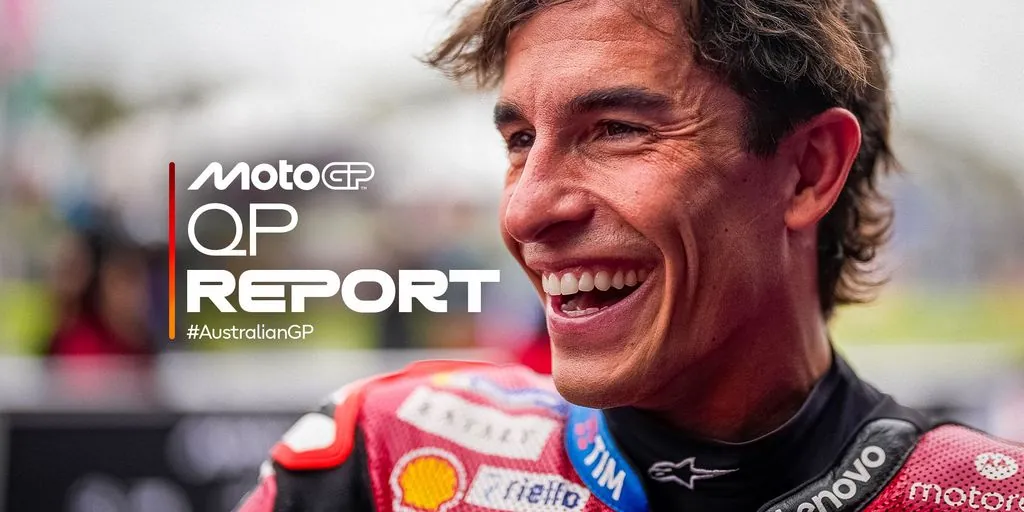
What happens when a rider crashes during qualifying
For a newcomer watching MotoGP, qualifying on Saturday afternoon determines where riders start both the Sprint and Sunday's main race. The final qualifying shootout, Q2, lasts only fifteen minutes, leaving virtually no margin for error. If a rider falls, they do not necessarily have to retire from the session. Premier class regulations permit each entrant to have two prepared motorcycles in the garage, meaning a rider can return to the pit lane and immediately remount on a backup machine if time allows.
The effectiveness of this switch was evident during the 2026 Australian Grand Prix weekend at Phillip Island. After a fall at Turn 4 on his opening run, an account where Marc Marquez Recovers from Turn 4 Crash to Take Australian GP Pole shows how quickly jumping onto a second bike can turn an early mistake into a starting advantage, as he went on to set a 1:34.203 lap time.
Understanding changing grip and late-session lap times
Phillip Island is notorious for volatile weather, and rainfall late in a session complicates tire selection and bike setup. When track moisture increases, lap times can fluctuate dramatically across different sectors as riders search for braking grip. A rider who adapts quickly can open substantial time gaps over competitors still finding their rhythm on a damp surface, such as the 1.494-second qualifying margin established over second-place Alex Marquez and third-place Johann Zarco.
For viewers following the championship picture, qualifying order also dictates how much traffic a frontrunner must navigate off the line. Title leader Jorge Martin sat as low as tenth during the final minutes before climbing to fourth on his final push, positioning himself directly on the second row and limiting potential damage across the weekend's two sprint and race starts.
Official reference: Crash to pole: Marc Marquez delivers Q2 showstopper at Phillip Island.

Post a Comment